
The Art of the Micro-Transition: How to Jump Music Genres Without Clearing the Floor
Why Slamming the Brakes Clears the Room
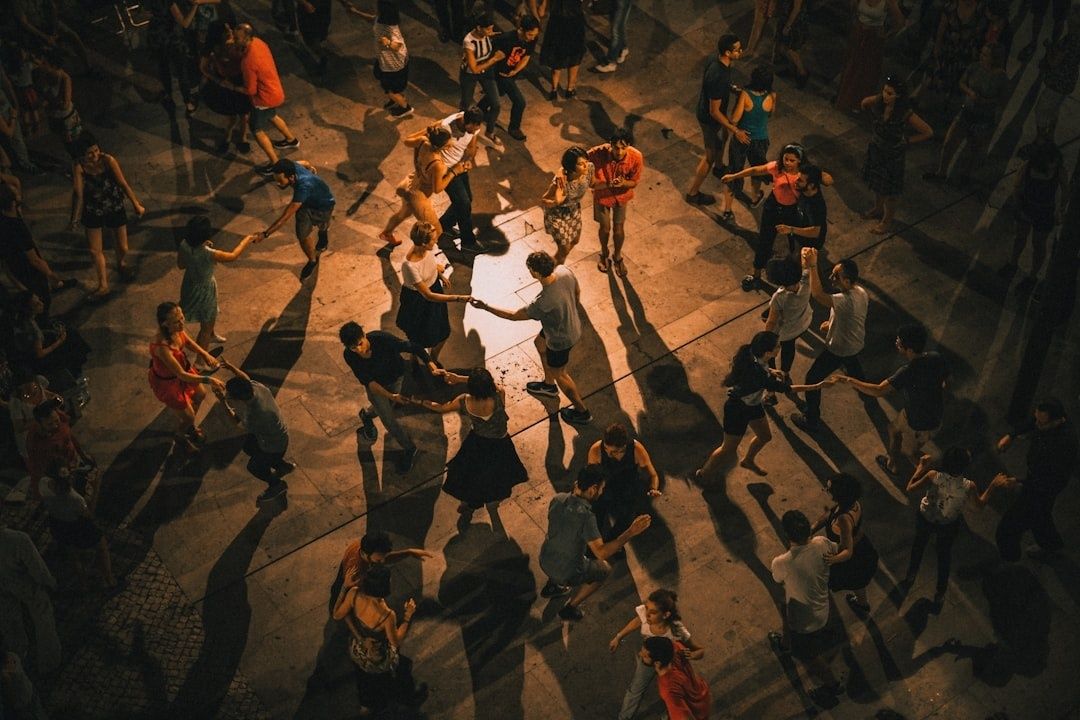
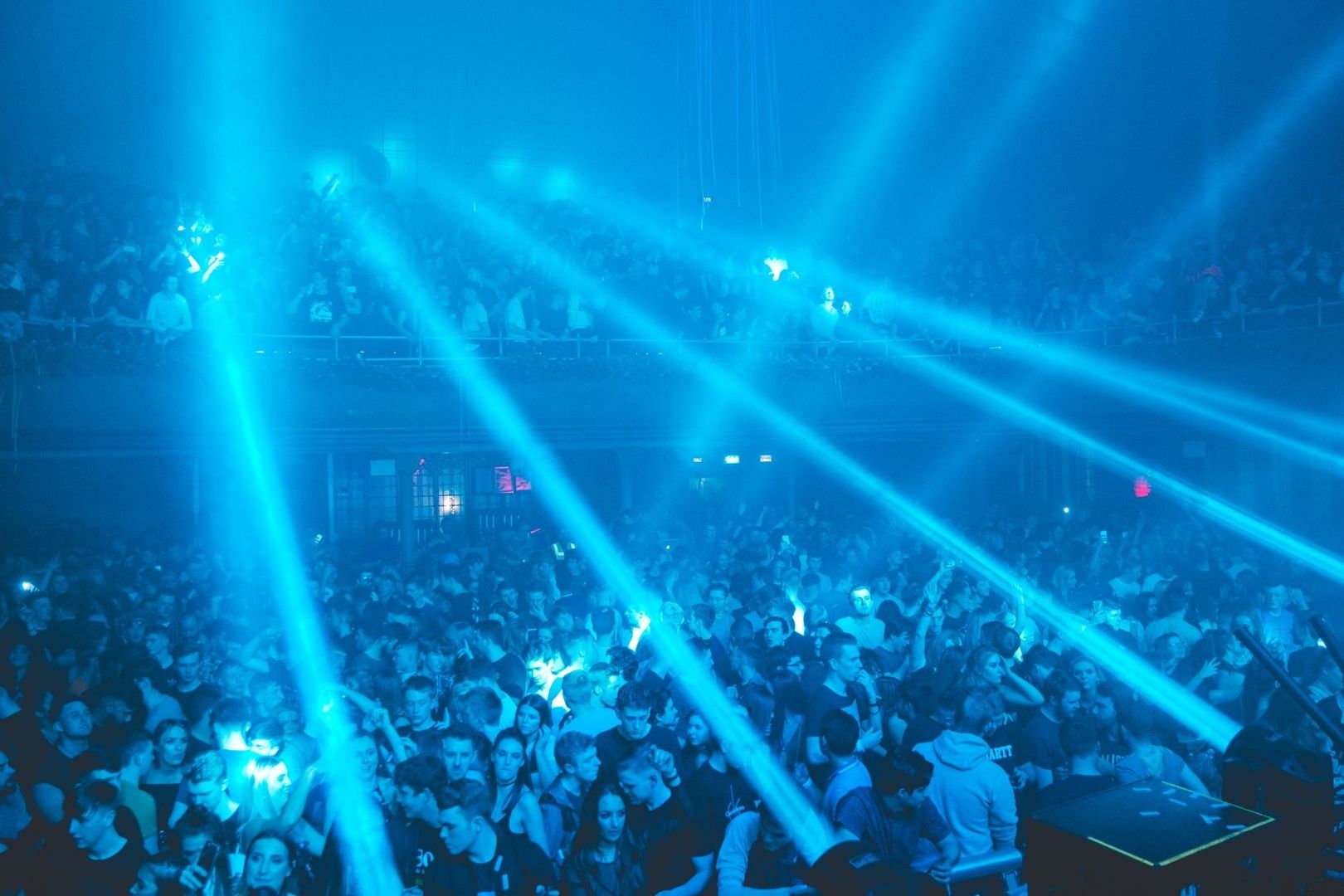
A dance floor rarely empties because the audience dislikes a new genre. More often, people leave the moment the physical logic of the music disappears. A sudden silence, an uncontrolled tempo cut, or a bassline that collides with the outgoing track tells dancers that the set has lost its direction. Standard stop-and-drop transitions can work as deliberate punctuation, but when used as a default solution they interrupt the body before the ear has had time to understand the change.
The solution is the micro-transition, a controlled pivot built from small musical signals rather than one dramatic reset. Tempo ratios, harmonic tension, rhythmic subdivision, filtered textures, and carefully chosen loops can move a room from Afrobeats to disco, hip-hop to techno, or garage to drum and bass without asking dancers to start over. A useful understanding of professional DJ entertainment begins with this principle: the audience does not need every track to belong to the same genre, but it does need each change to preserve a sense of momentum and intention.
Successful transitions protect audience trust. The kick may change, the swing may tighten, and the harmonic center may rise, but some recognizable feature should remain active: a pulse, a vocal phrase, a repeated subdivision, or the emotional temperature of the room. The DJ”s task is not simply to match songs. It is to manage the audience”s physical expectations while gradually rewriting them.

Mastering Half-Time and Double-Time Tempo Bridges
Half-time and double-time relationships are among the most powerful tools for crossing apparently distant genres. A track at 70 to 80 BPM can often be felt as moving at 140 to 160 BPM, depending on its snare placement, bass pattern, and vocal phrasing. That creates a natural bridge between slow hip-hop, trap, or dubstep and faster styles such as footwork, UK garage, and drum and bass. The numbers are not identical in musical feel, but the underlying pulse can be reinterpreted without forcing the crowd to abandon its movement.
The key is to distinguish the tempo the software displays from the pulse the dancers feel. A half-time groove may place its main snare on beat three, while a double-time track supplies more frequent kick and percussion events around the same underlying cycle. If the outgoing track ends on a phrase with clear space, the incoming track can enter with a restrained percussive pattern, allowing the room to discover the faster subdivision before the full drop arrives.
- Identify the shared pulse. Count the outgoing track in double-time and locate its strongest vocal, snare, or bass accents. Mark the point where the new track can be heard as either twice as fast or half as fast.
- Reduce the information before increasing the speed. Loop a vocal phrase, kick, clap, or percussion stem. Removing melodic clutter gives the audience a simple rhythmic reference while the tempo relationship changes.
- Introduce subdivisions gradually. Add eighth-note hats, shuffled percussion, or a short snare roll before bringing in the complete high-tempo groove. The body should feel acceleration as added detail, not as a sudden replacement.
- Land the phrase cleanly. Use an eight- or sixteen-bar structure when possible, then place the new track”s principal downbeat at the start of a fresh musical phrase. A clean arrival reassures the crowd that the change was planned.
This process is closely related to metric modulation, where one rhythmic value becomes the reference for a new meter or tempo. In practical DJ terms, the outgoing snare can become the incoming track”s perceived backbeat, or a repeated vocal syllable can act as the bridge between a loose half-time sway and a rapid four-on-the-floor pattern. The illusion works because dancers respond to relationships between accents, not only to the BPM display.
Loops are especially useful when the two tracks have different phrase lengths. A four-beat vocal or percussion loop can be repeated while the new rhythm develops underneath it, but avoid leaving the loop unchanged for too long. The aim is to preserve the listener”s orientation, not to create a mechanical holding pattern. Use filtering, a short delay, or carefully timed muting to reveal the new groove in stages.
Harmonic Modulation and the Camelot Jump Strategy
Harmonic mixing is most effective when treated as a map rather than a set of traffic laws. Adjacent Camelot Wheel moves are reliable because they limit key clashes, yet genre changes often require a more expressive leap. A deliberate modulation can create anticipation, urgency, or emotional lift, particularly when the incoming track introduces a brighter tonal center and a stronger rhythmic identity.
A one- or two-semitone upward move is a classic energy boost. The change can feel like the room has risen physically, especially when it arrives after a breakdown or a stripped-back vocal passage. A two-semitone lift is more pronounced than a one-semitone lift, so it should be reserved for moments where the arrangement has enough space to make the change feel intentional. Keep the melodic overlap brief if the keys are not fully compatible. A short phrase, vocal chop, or percussive entrance can deliver the lift without exposing a prolonged clash.
| Modulation approach | Best use | Risk to manage |
|---|---|---|
| Adjacent Camelot move | Long blends and melodic house or techno transitions | Can sound predictable if used mechanically |
| One-semitone lift | Subtle energy increase after a breakdown | Extended melodies may rub against each other |
| Two-semitone lift | Peak-time reveal or dramatic genre pivot | Requires sparse overlap and precise phrasing |
| Diagonal or wider jump | Creative transitions with simple melodic material | Dissonance becomes obvious if both melodies remain exposed |
When keys technically clash, use a bridge rather than forcing a direct blend. A bridge track, vocal texture, or instrumental loop can share the atmosphere of the outgoing record while introducing the bass movement, percussion, or harmonic color of the incoming one. This approach is valuable when tempo, rhythm, and key all disagree. The intermediary does not need to be played in full. A chopped intro, a sixteen-bar percussion section, or a filtered vocal fragment may be enough to prepare the room.
The most dependable material for harmonic jumps is simple material. Long sustained chords reveal dissonance quickly, while drums, single-note basses, vocal phrases, and short melodic motifs give the ear fewer conflicting details. Advanced harmonic mixing techniques also emphasize experimentation and restraint, particularly when using energy-boost moves. Let the modulation support the emotional direction of the set, not become a technical stunt that distracts from the dancers.
Polyrhythmic Layers that Bind Disparate Grooves
Rhythm can connect tracks even when their genres appear unrelated. A straight four-on-the-floor techno track and a syncopated Afrobeats record may share little in their surface patterns, yet a carefully chosen intermediate rhythm can make both meters audible at once. Three-against-four percussion, triplet shakers, swung hats, and repeating cross-rhythms soften the boundary between straight and syncopated movement.
Polyrhythm is the simultaneous presence of contrasting rhythmic groupings, and a clear explanation of the concept appears in this overview of polyrhythm. In a DJ set, the technique does not require a complex composition. A short triplet loop over a four-beat kick pattern may be enough to create a shared surface. The crowd continues to feel the stable pulse while the percussion suggests that a different dance language is approaching.
- Anchor the floor with a stable pulse. Keep a low kick, bass hit, or muted four-count underneath the transition so dancers retain a dependable physical reference.
- Layer a contrasting subdivision. Add a triplet percussion loop, three-note tom pattern, or shuffled shaker that reflects the syncopation of the incoming track.
- Shape transients rather than adding volume. Shorten the attack of competing percussion, use filtering to remove unnecessary low end, and make space for the incoming groove.
- Reveal the new rhythm in stages. Start with a high-frequency texture, then introduce the new bass and kick only when the phrase is ready to turn.
Afrobeats can fold into straight techno particularly well when the syncopated percussion is treated as a texture rather than a competing full-range rhythm section. A high-pass filter can leave the outgoing groove present while clearing the sub frequencies for the techno kick. Transient shaping, short loops, and restrained reverb help the incoming pattern feel sharper without making the transition sound overcrowded.
Use loop lengths with intention. A one-bar loop creates urgency, a two-bar loop allows a little conversational space, and a four- or eight-bar loop can support a more gradual handover. If the outgoing track has a strong vocal, isolate a phrase that lands naturally against the new rhythm. If the incoming track has a powerful bassline, keep the bridge focused on percussion until the exact point where the bass can arrive without masking the previous low end.
The bridge technique is especially effective when the two records share mood but not structure. A dark vocal atmosphere, a repeated synth note, or a similar spatial texture can remain while the rhythmic framework changes underneath. This lets the audience experience the transition as a continuation of the same emotional scene, even when the musical vocabulary has shifted.
Textural Washes and Echo Dissolves for Sudden Shifts
Some genre leaps are too extreme for a conventional blend. A bright disco chorus and a dense techno drop may have incompatible basslines, keys, and phrase structures, yet texture can temporarily separate rhythm from melody. Freeze delays, tail reverbs, band-pass filters, and controlled feedback allow the outgoing track to dissolve into atmosphere while the incoming track establishes a new physical center.
- Freeze a meaningful fragment. Capture a vocal syllable, chord tail, or percussion hit that can sustain the mood for a few beats.
- Filter the frozen sound. Remove low frequencies first, then narrow the midrange if the texture begins to compete with the incoming track.
- Use delay as a countdown. Set the repeat so the final echo lands naturally at the end of a four-, eight-, or sixteen-bar phrase.
- Release on beat one. Bring in the new kick, bassline, or full arrangement at the first beat of a fresh bar for maximum impact.
A pitch bend or vinyl-brake illusion can also work when used as deliberate punctuation. Lowering tempo and pitch together over a couple of bars creates a pattern interrupt, but it should be controlled manually and used sparingly. Repeating the effect teaches the audience to expect the trick, reducing its impact. A brake is strongest when the room has been given a clear reason to anticipate a reset, such as the end of a chorus, a requested track, or a carefully prepared peak moment.
Protect the downbeat. The most impressive effect is weakened if the new track arrives late or lands between phrases. Cue the incoming record early, count the release aloud or internally, and rehearse the effect at different energy levels. Texture should create a doorway, not a fog that hides timing errors.
Keep the Room Guessing While Keeping Every Foot Moving
The micro-transition toolkit is built from three connected ideas: use tempo ratios to reinterpret movement, use harmonic modulation to create controlled tension, and use rhythmic or textural bridges to give the ear a path forward. These methods allow a set to move across genres without relying on abrupt silence or an unexplained drop. The audience may hear a dramatic change, but the body still receives enough continuity to remain engaged.
Preparation makes experimentation safer. Organize tracks by functional qualities as well as genre, including half-time feel, double-time potential, key center, percussion density, vocal space, breakdown length, and likely bridge points. Practice several versions of the same transition, then choose the one that preserves the most energy with the least clutter. During a live set, watch the floor rather than the screen. Dancers leaning forward, raising their hands, or tightening their movement are giving useful information about the transition”s intensity.
There is no universal formula for every room. A festival crowd may welcome a dramatic modulation, while a private event may respond better to a shorter, more familiar bridge. The strongest DJs adjust the size of the transition to the audience”s confidence. Build complexity when the room is ready, simplify when attention is fragile, and always let the next track earn its arrival.
Genre freedom becomes a signature sound when every change feels purposeful. Keep the floor”s pulse intact, make tension audible, and treat each transition as a sequence of small decisions rather than a single effect. That is how a set can stay surprising without becoming unstable, moving from one musical world to another while every foot keeps moving.